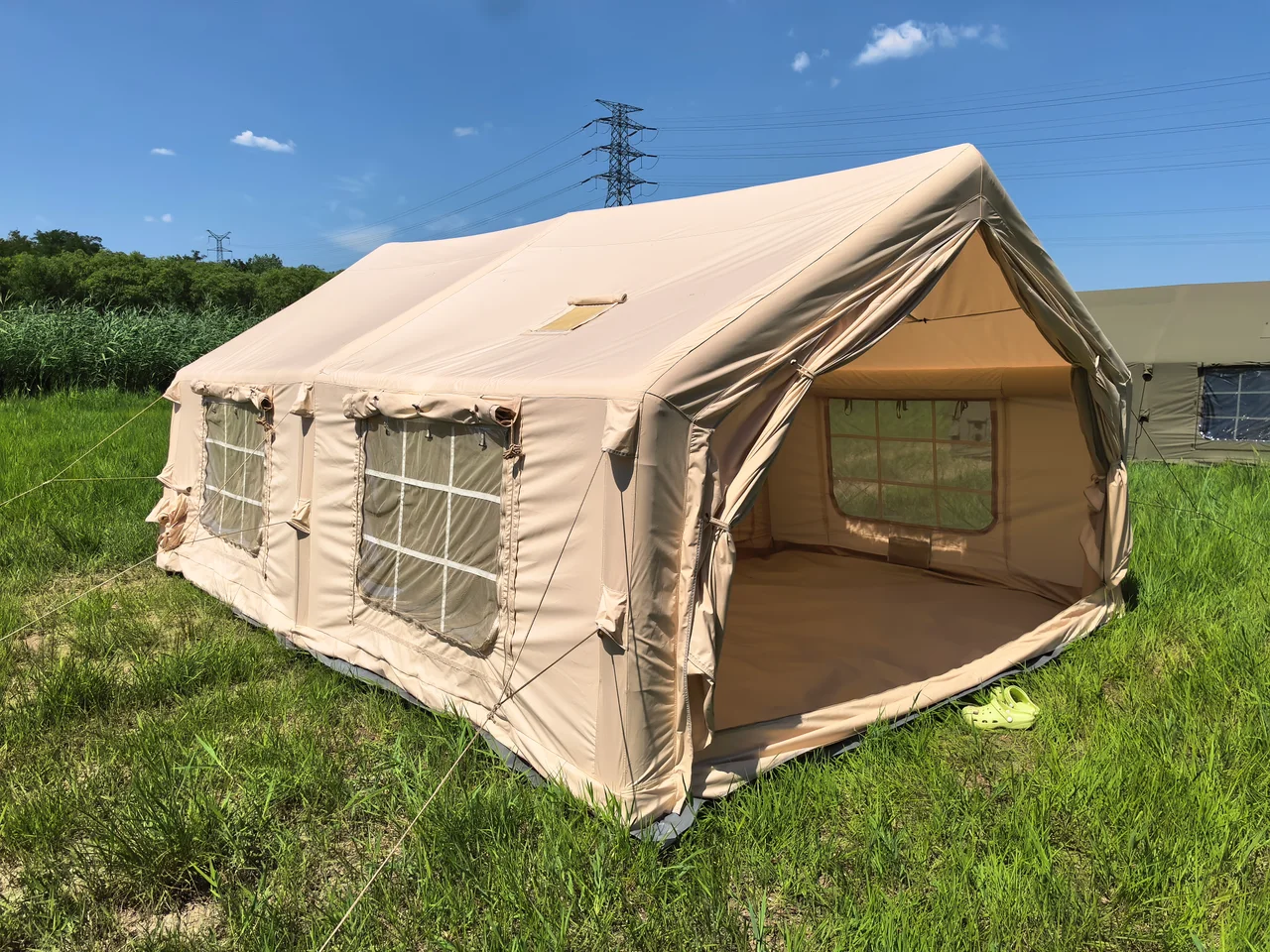
LT-18.16 / LARGE TWO-ZONE
18.16 m2 large camping tent
360 x 505 x 236 cm, 600D Oxford outer and a removable partition.
- Best for
- Family / group
- Sample
- Available
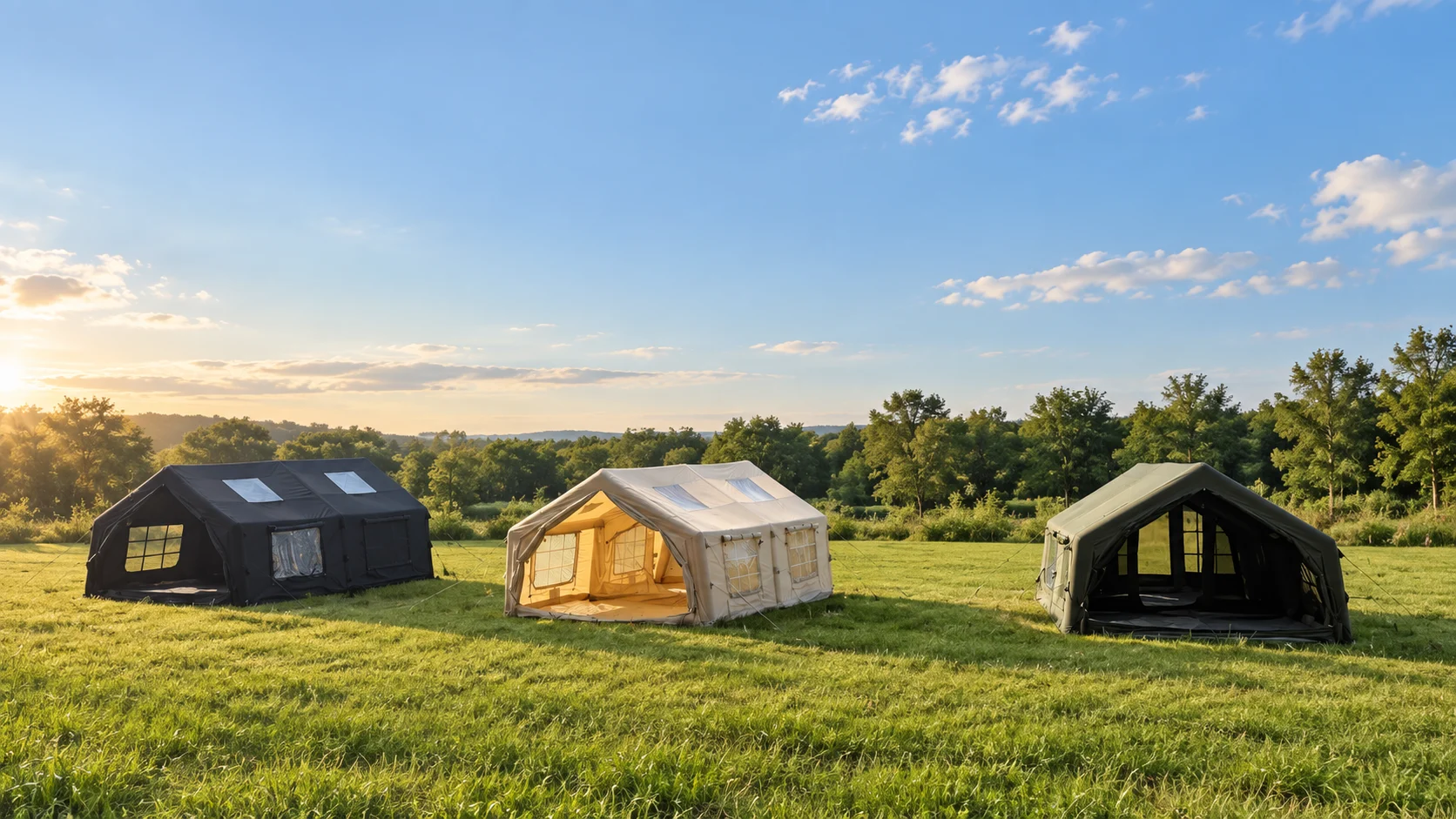
CUSTOMIZABLE PRODUCT MODELS
Choose the closest model, then define the dimensions, layout, fabric and air-beam structure for your brand.
LT-18.16 / LARGE TWO-ZONE
360 x 505 x 236 cm, 600D Oxford outer and a removable partition.
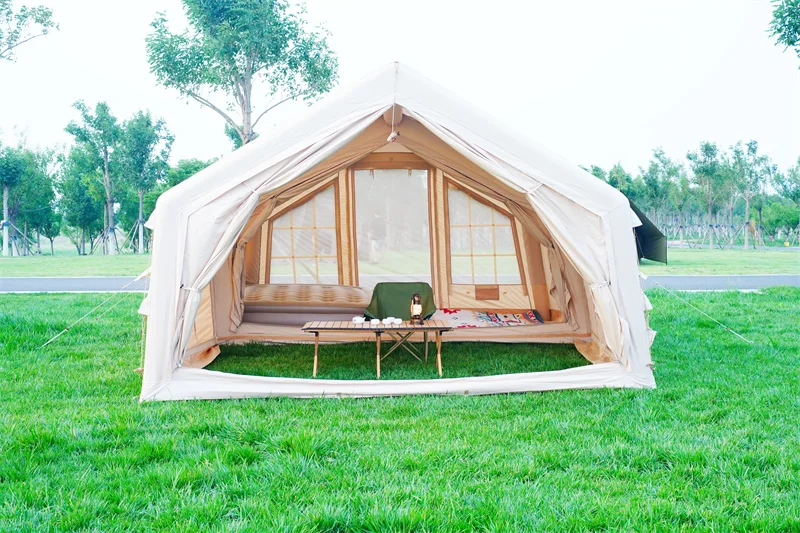
LT-09-Z / MODULAR FORMAT
A base tent plus extension for expandable space and separate activity zones.
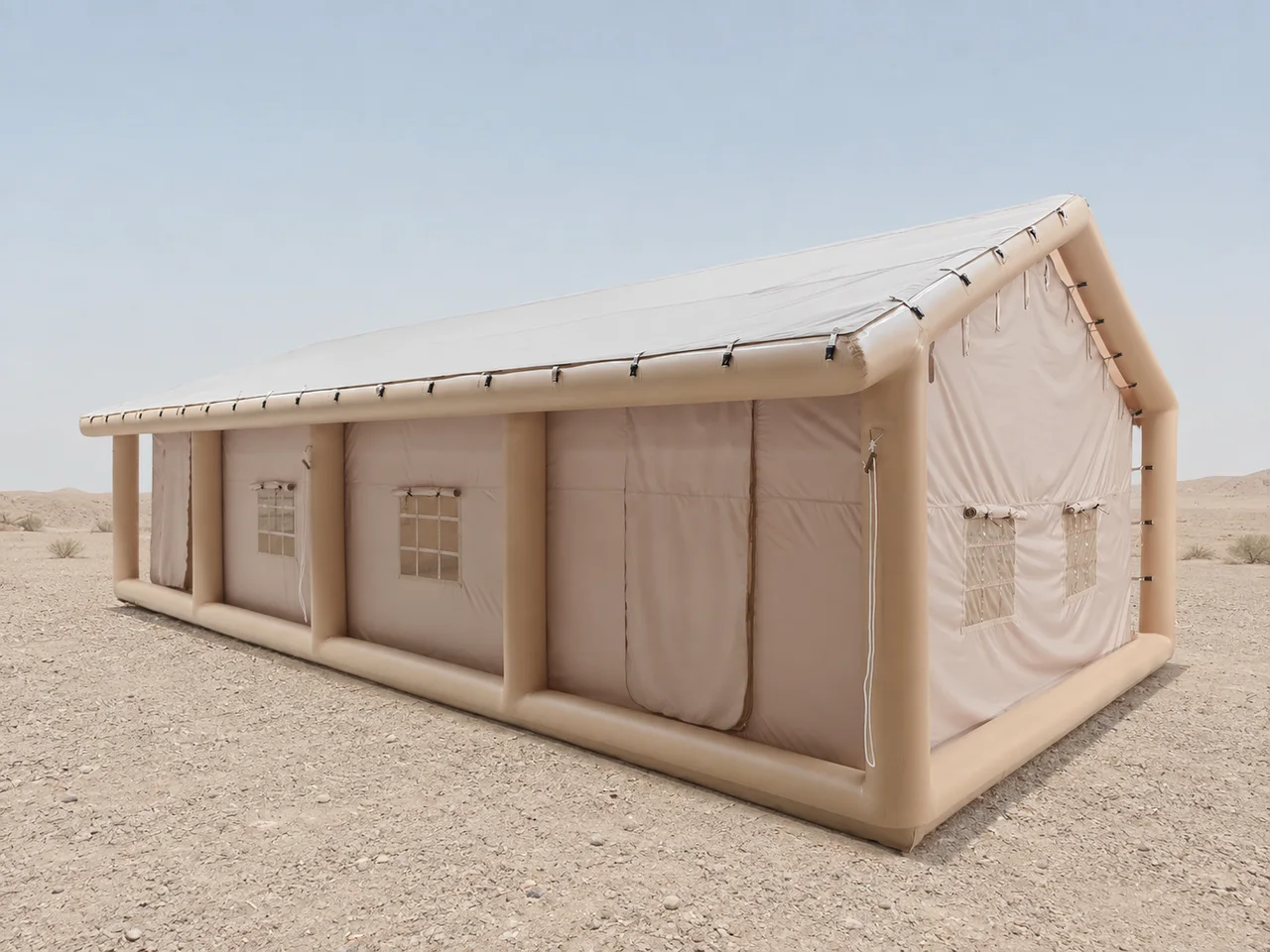
LTE SERIES / MAJLIS FORMAT
A long-form inflatable range for seating, sleeping and divided-layout development.
CUSTOMIZATION
Choose a base model, compare its exterior and interior, define the changes, then build the sample.
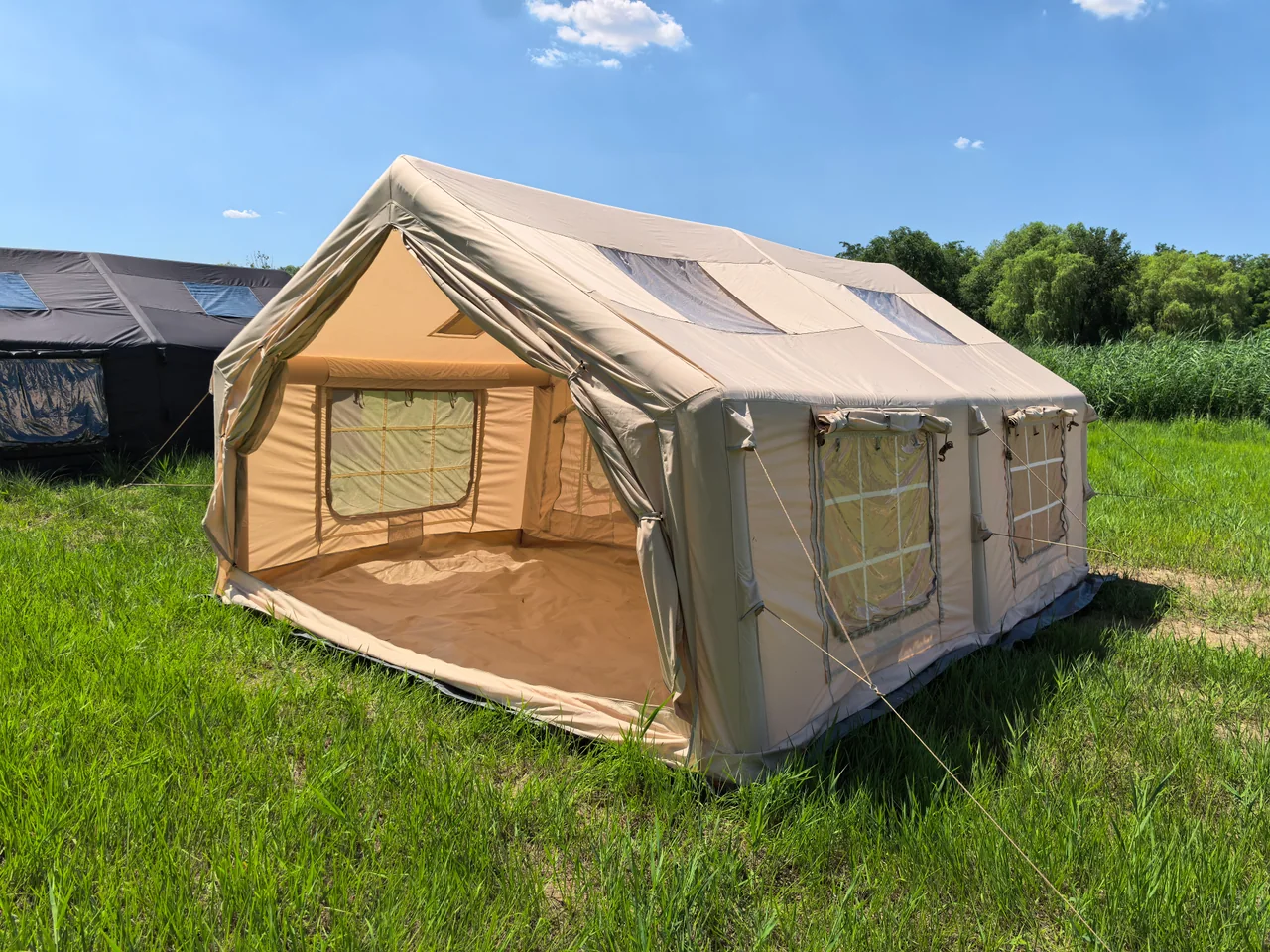
01 / DIMENSIONS
Share your target length, width and height so we can develop the structure around your project.
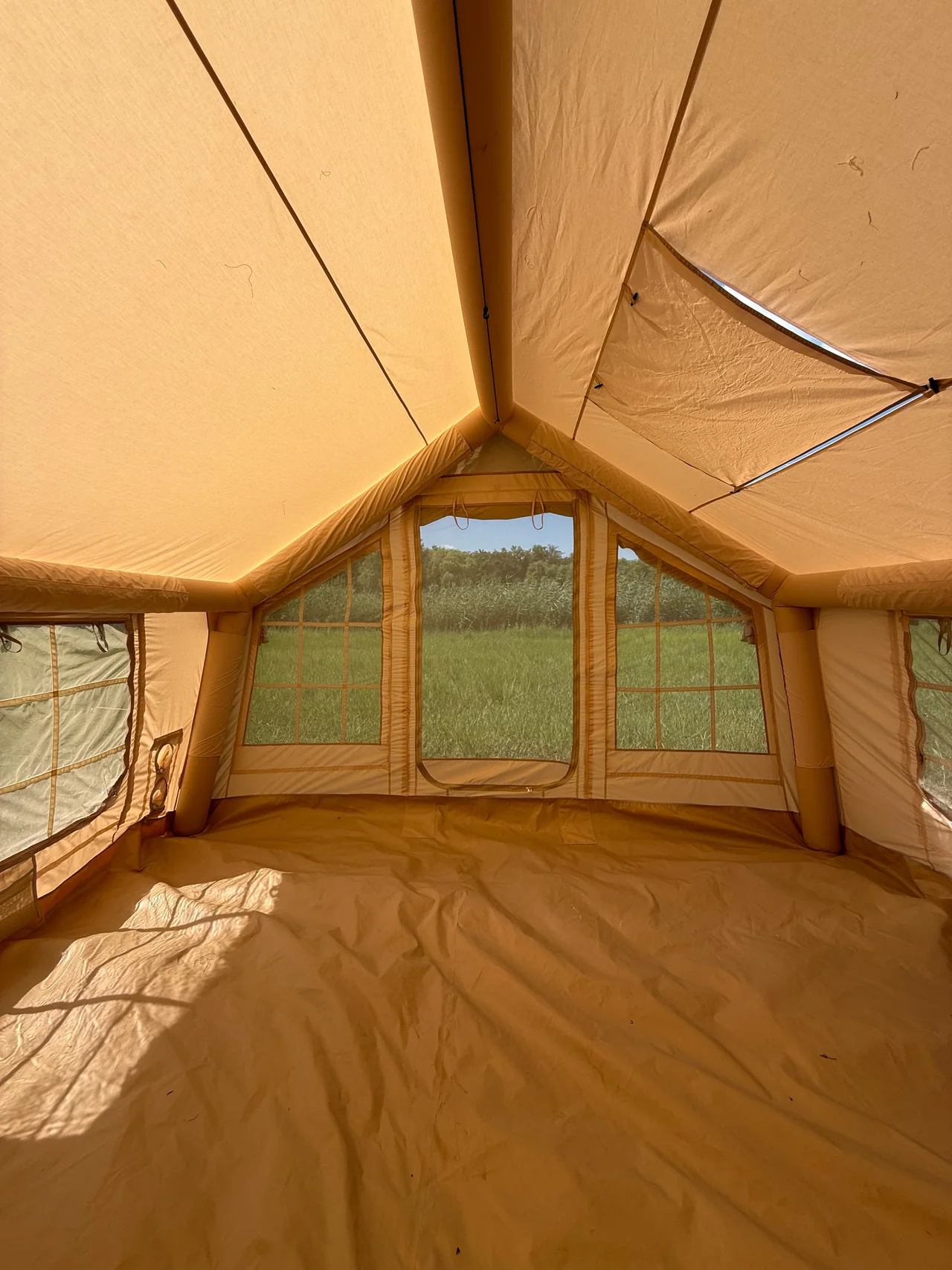
02 / ROOM LAYOUT
Discuss entrances, windows, circulation, sleeping or living zones and any removable divider.
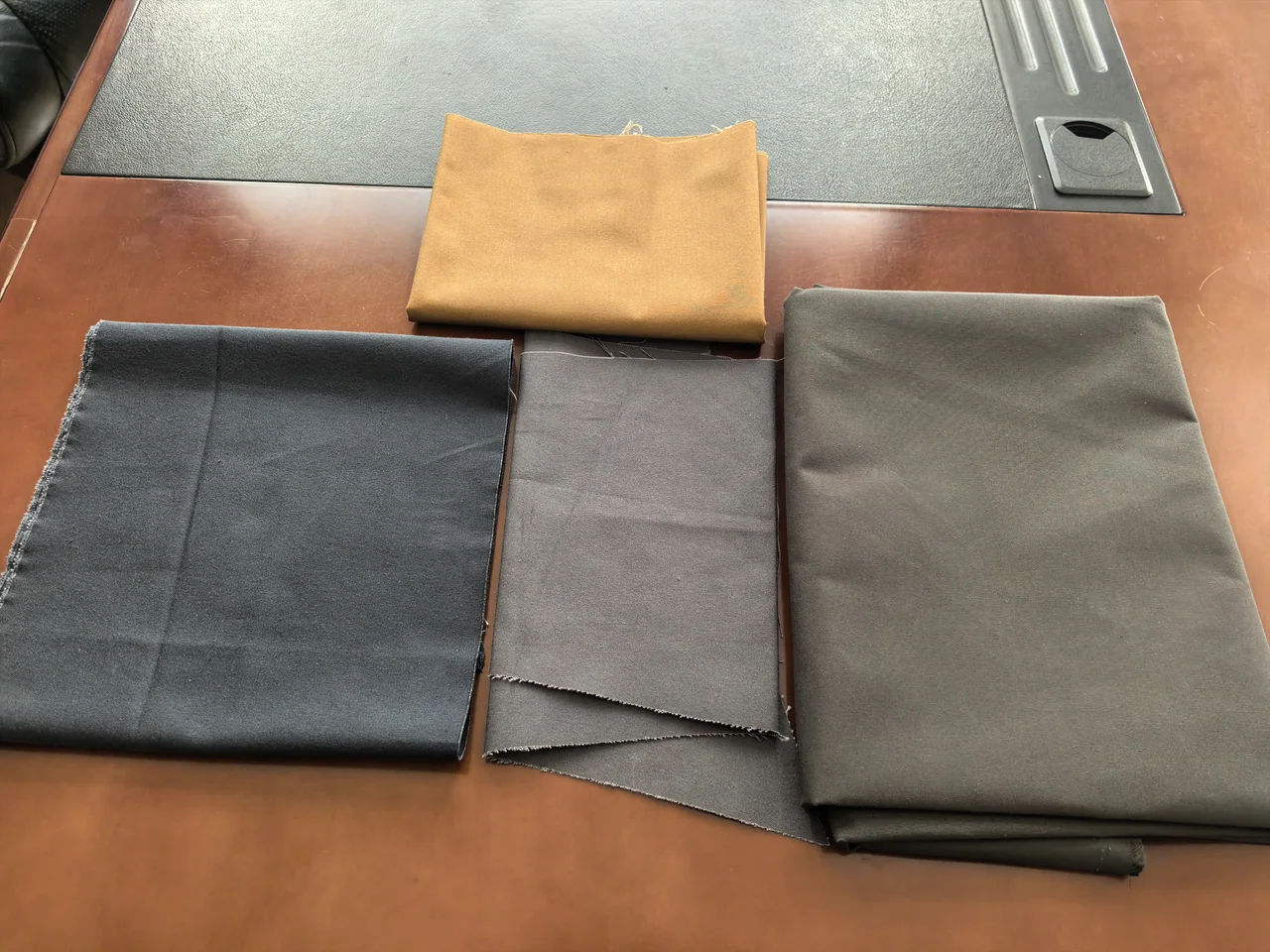
03 / FABRIC
Compare actual swatches and construction for the destination market, product position and intended use.
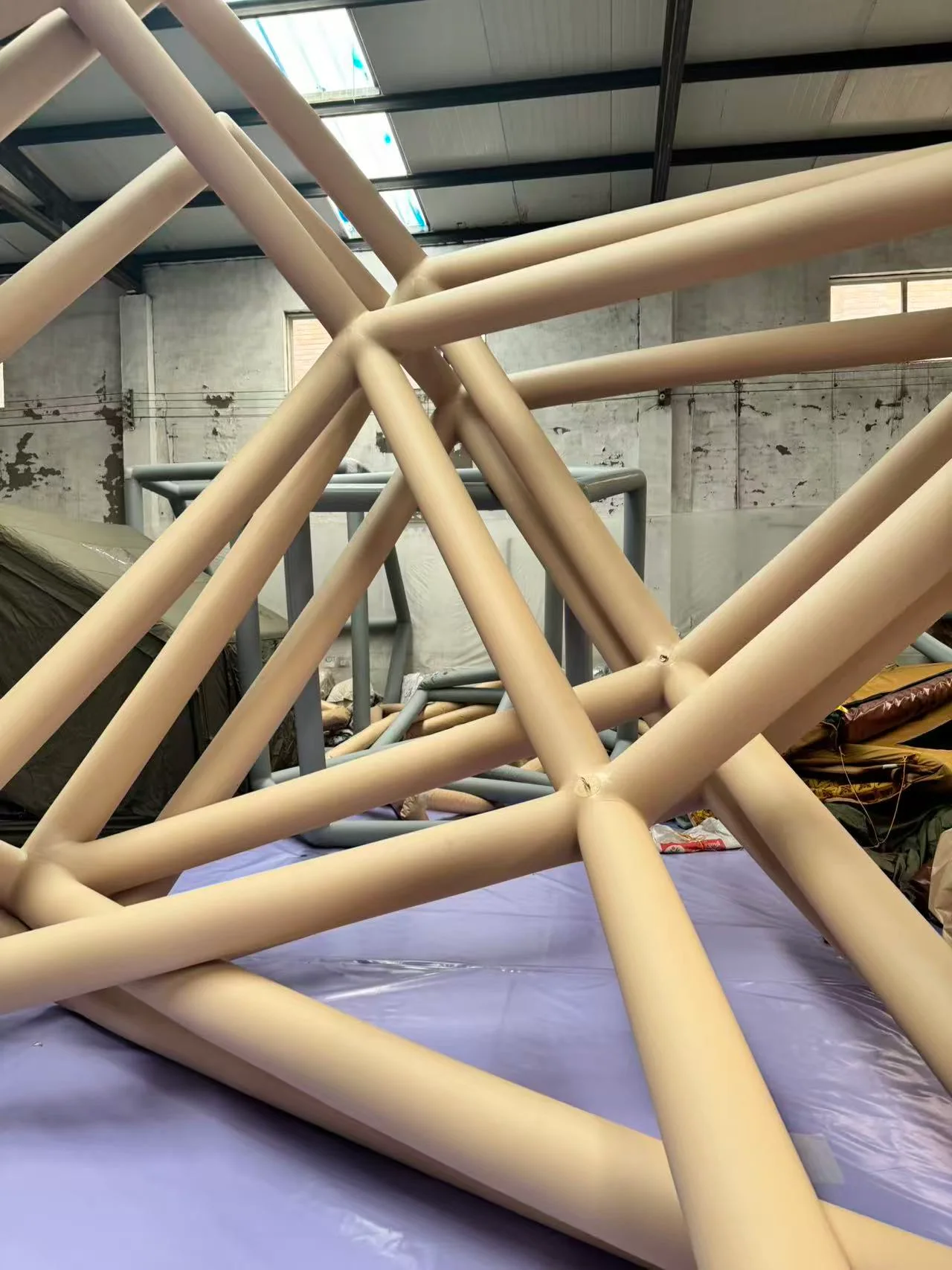
04 / AIR-BEAM STRUCTURE
Discuss tube geometry, junctions, valves, sleeves and service access with the in-house air-beam team.
IN-HOUSE AIR-BEAM MANUFACTURING
ASEN produces air beams in-house and has high-frequency welding equipment. Project details are confirmed against your brief.
Discuss tube geometry, junctions, valves and service access directly with the maker.
Define the process and component requirements for the selected model.
Use a sample setup to check the exterior form, openings, fit and requested changes.
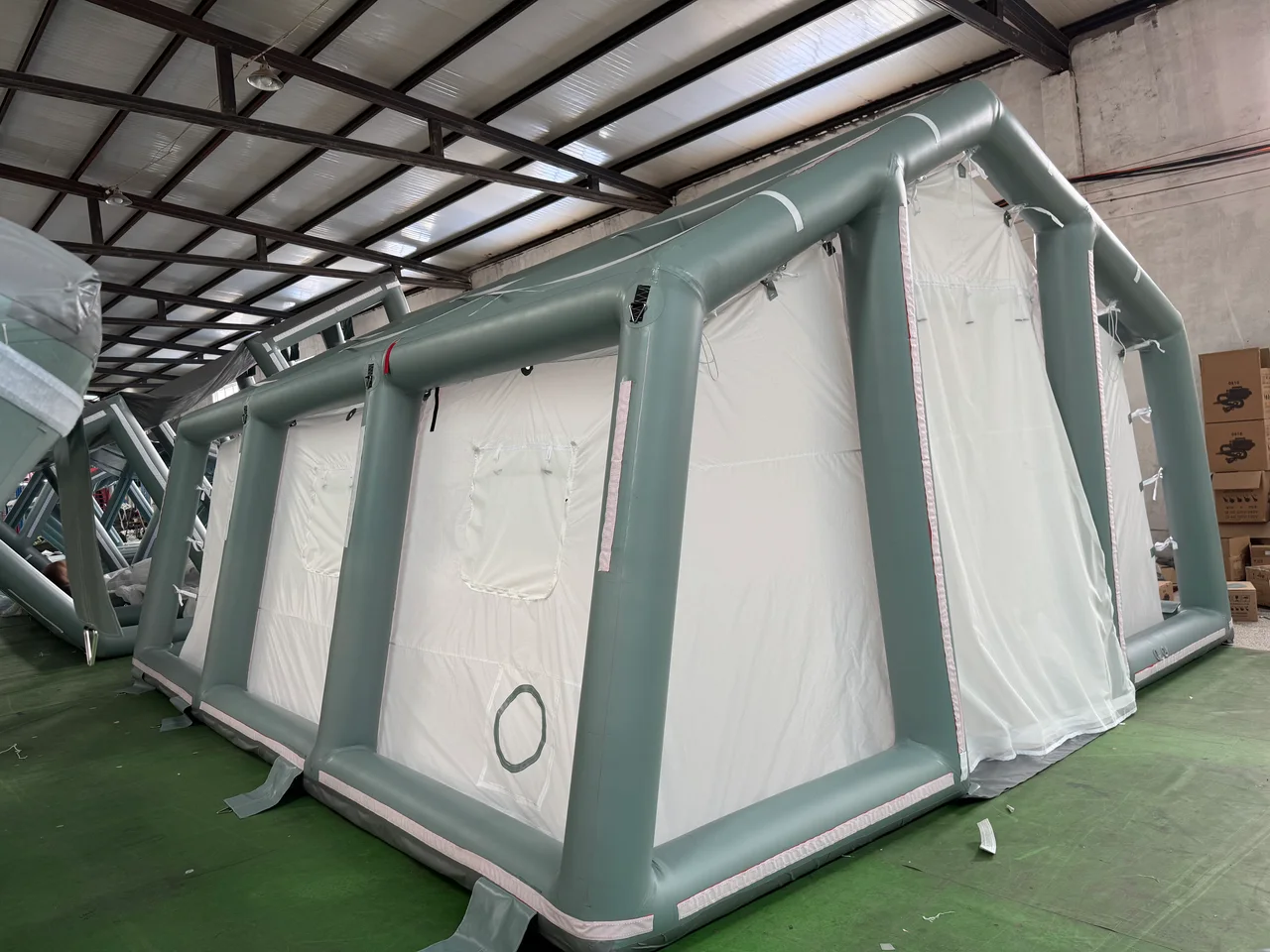
The assembled frame makes tube routing, junctions and cover attachment positions visible before the sample is built.
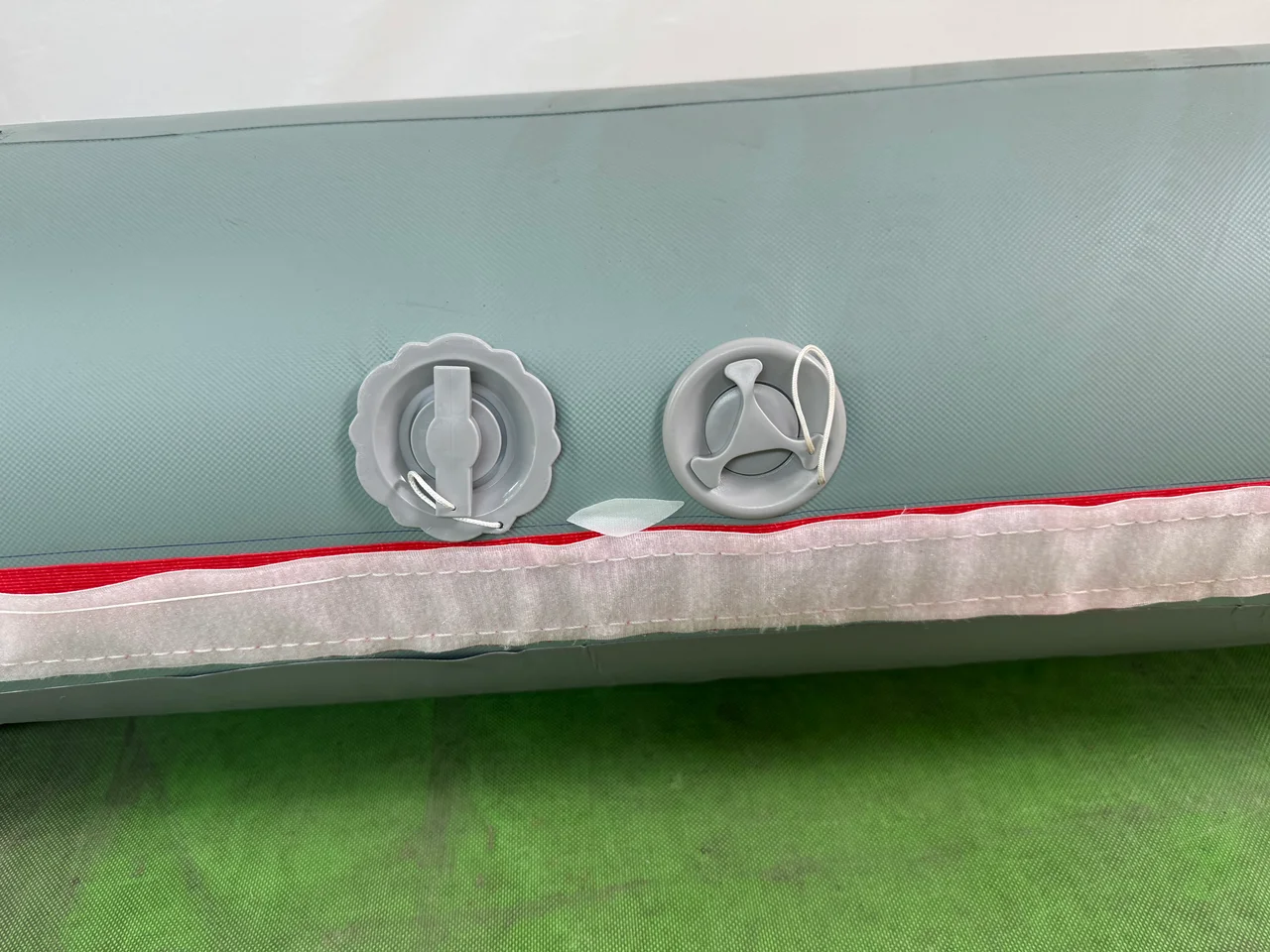
Valve choice, placement and cover-edge construction are included in the final specification for production and after-sales matching.
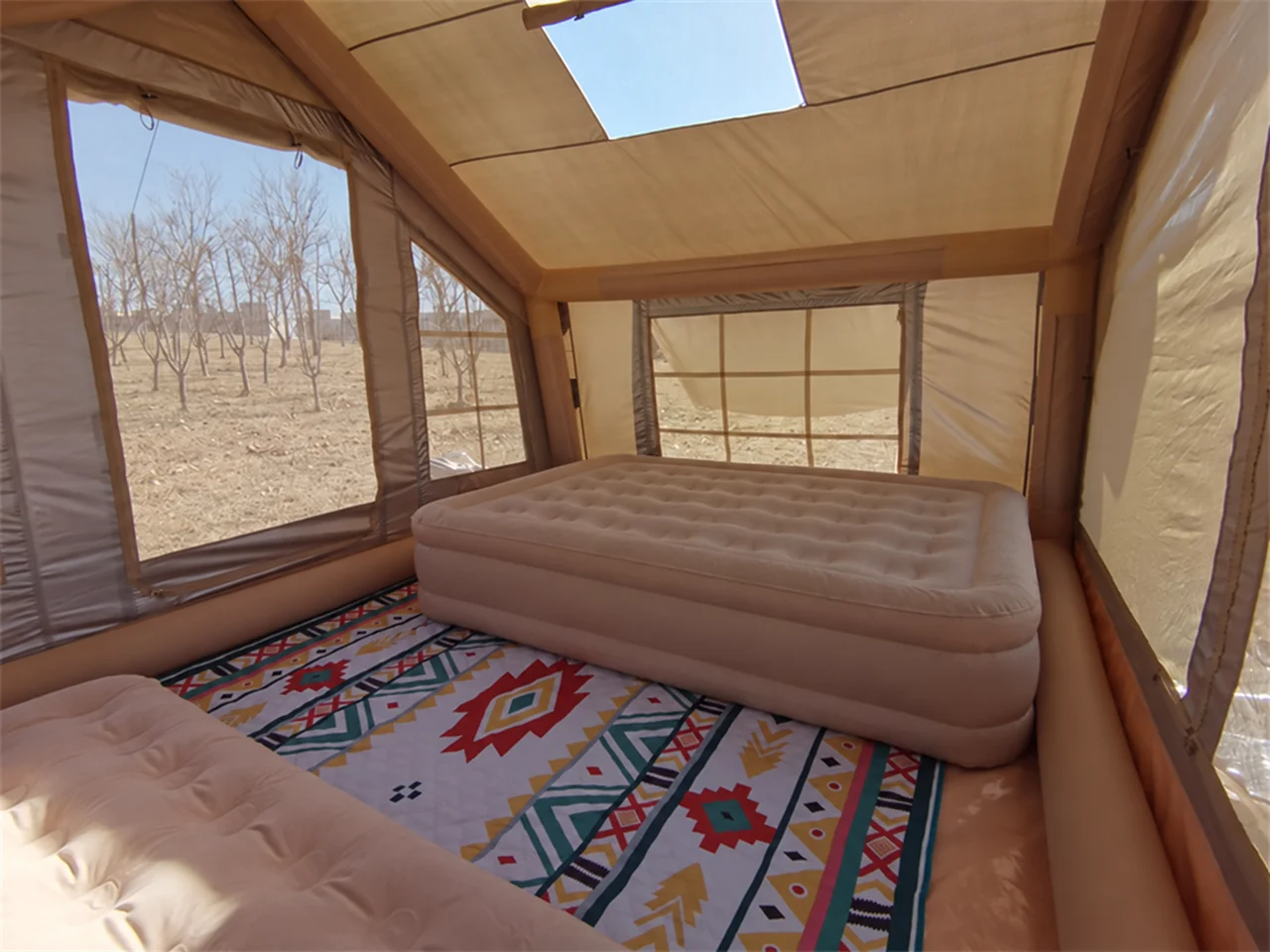
A full setup lets the brand check window positions, cover fit and interior clearances before bulk production.
FOR BRANDS & TRADE BUYERS
Start with your target customer, reference model and product requirements.
Discuss a new productStart with what should change, what must stay and how you want to assess the sample.
Discuss an improvementCompare cabin, family and Majlis formats, then define quantities and packing by model.
Explore wholesale sourcingSAMPLE DEVELOPMENT
Sample development is normally 7-15 days after the configuration and scope are agreed.
Target market, product requirements and estimated quantity.
Configuration, feasibility, sample cost and timing.
Assess the agreed requirements and record revisions.
Approve the specification, quantity and production timing.
BEFORE YOUR INQUIRY
Share your company, target market, product type, estimated quantity and launch timing. Include the size, material, branding and packaging requirements you already know.
Ask for a sample quotation for the model and configuration you want to evaluate. Confirm sample cost, timing and the review criteria with the factory team.
Request a project-specific quotation. Quantity, material selection, customization and the production schedule all need to be reviewed before a commitment is made.
Specify your destination market and intended use. Request the relevant product specification and available test documents for the exact configuration under consideration.
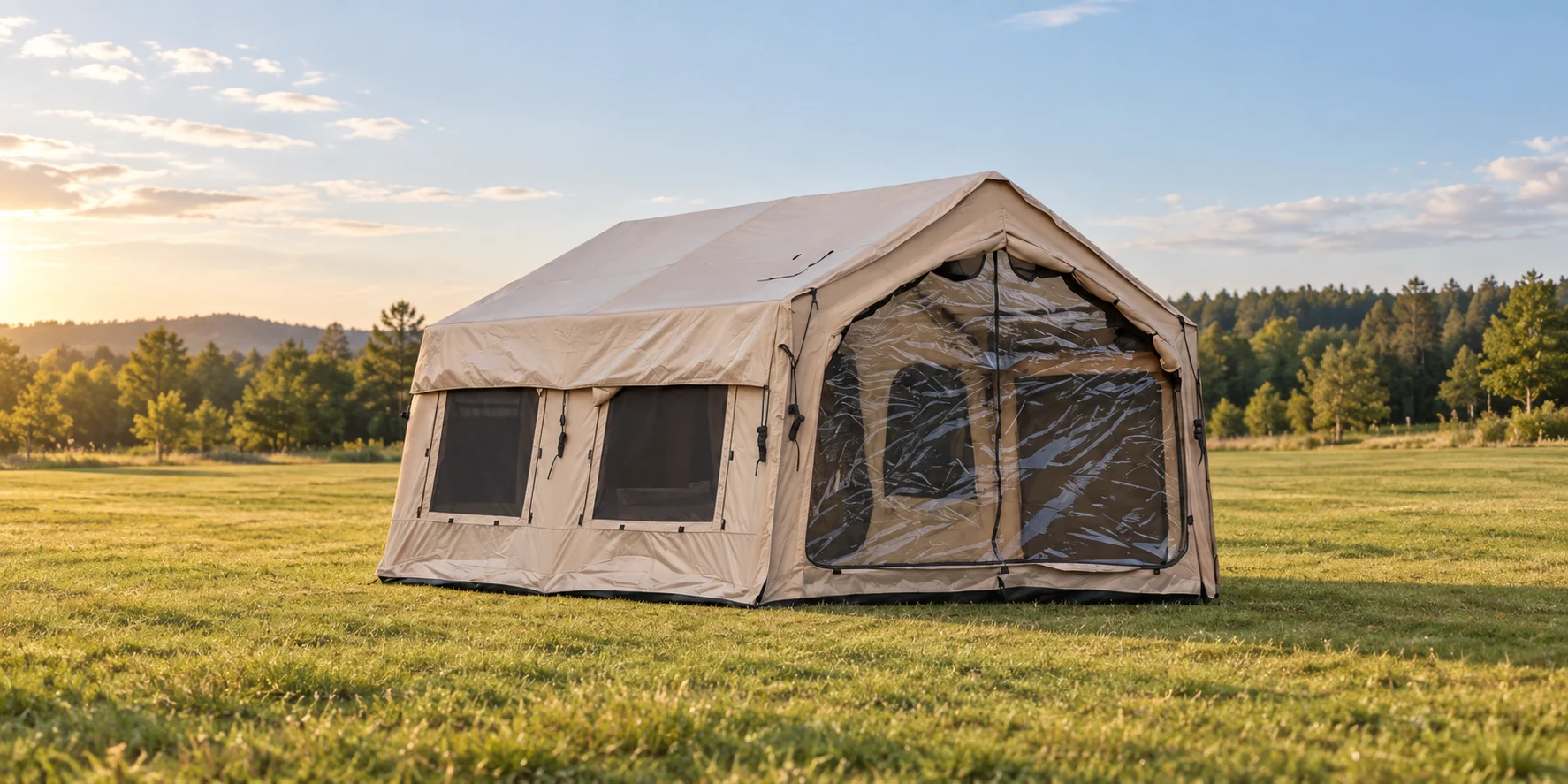
NOT READY FOR A FULL RFQ?
Share a few essentials. We will use them to identify the closest current models and the decisions needed before sampling.