Choose dimensions, space planning, materials and visible details that make the model useful in your range.
WHO WE WORK WITH / OUTDOOR BRANDS
Private Label Inflatable Tents for Outdoor Brands
Build a differentiated camping tent range around your buyer, price position and repeat-order requirements.
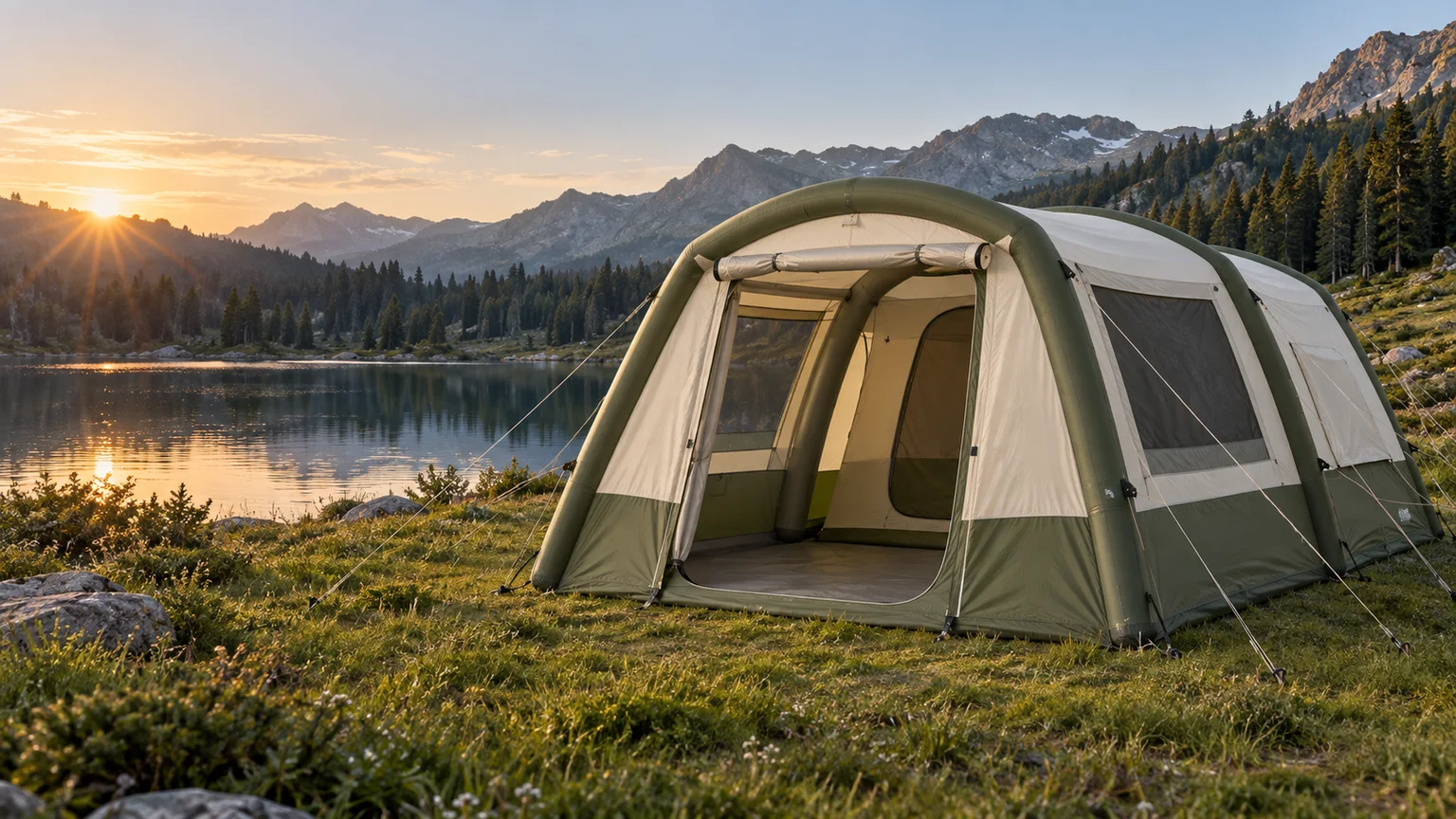
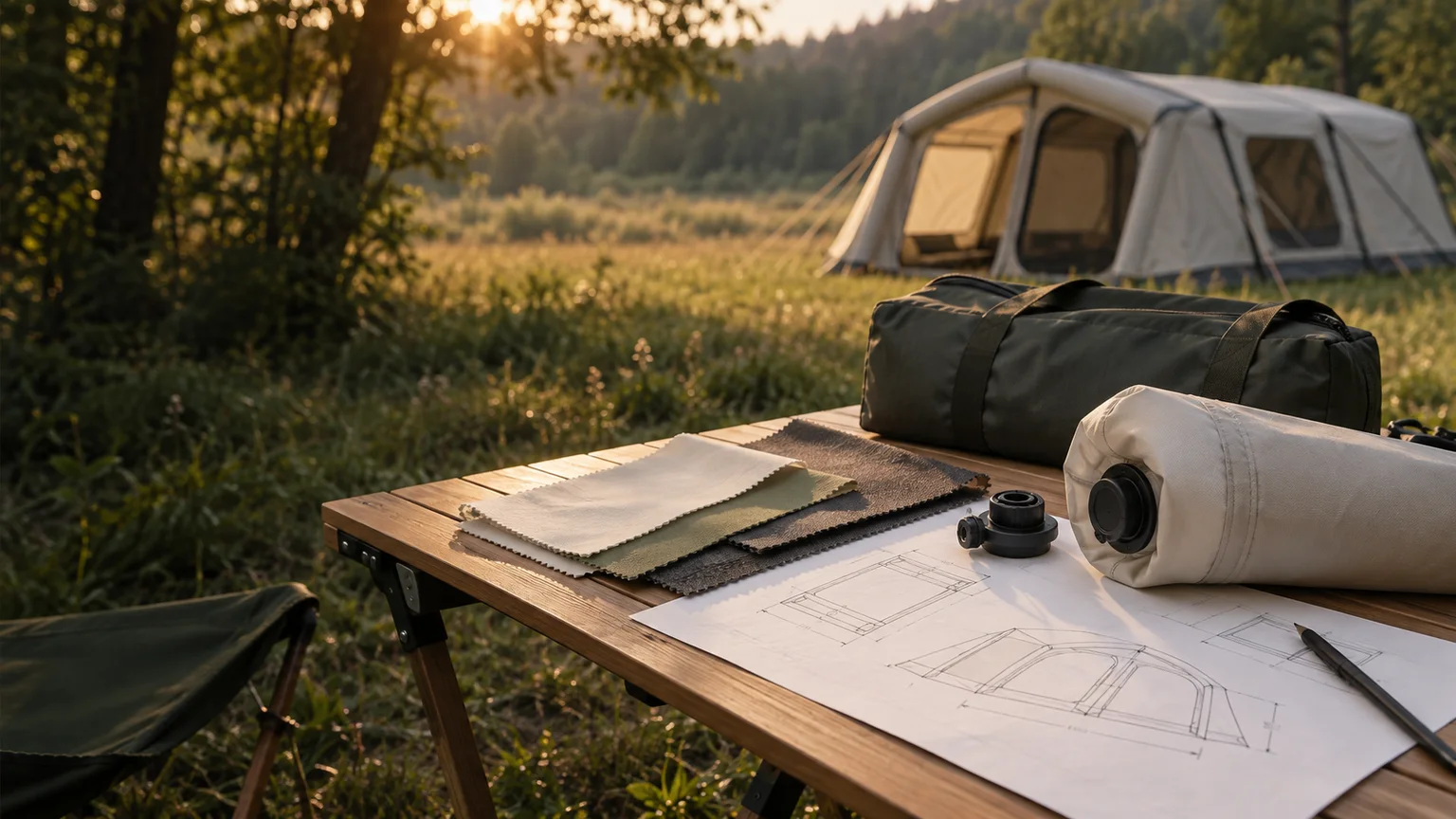
Illustrative design concept, not a photographed ASEN model. Final products are confirmed through sampling.
MOQ 50Mixed-model combinations are reviewed by product.
7-15 daysSample scope and timing are agreed per project.
In-house air beamsDiscuss the frame directly with its maker.
Order-based lead timeBulk timing is assessed against quantity and specification.
01
YOUR PRODUCT POSITION
Give every model a reason to exist.
A private-label product needs more than a logo. Connect the buyer, price position and use case to an intentional configuration.
Use the physical sample to record the approved configuration and the checks your team needs.
Connect model quantities, launch timing, packing and destination requirements to one revision.
02
CURRENT BASE MODELS
Start with a current inflatable format.
Compare real products and specifications, then develop the details that make the model yours.
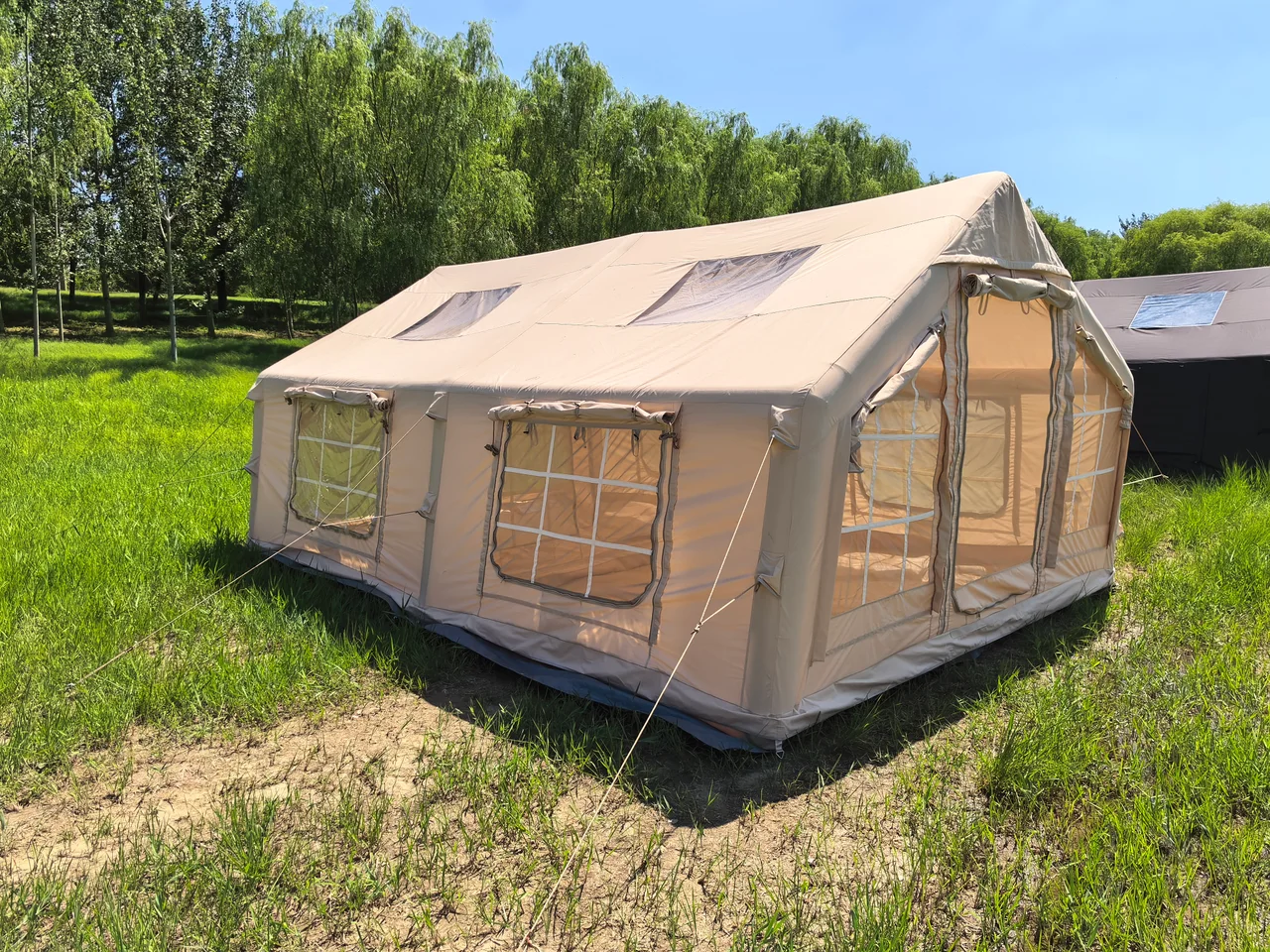
LT-18.16 / LARGE TWO-ZONE
Build the core family or group model.
360 x 505 x 236 cm / 18.16 m2Start with the current outer size, removable partition and opening arrangement.
Explore this model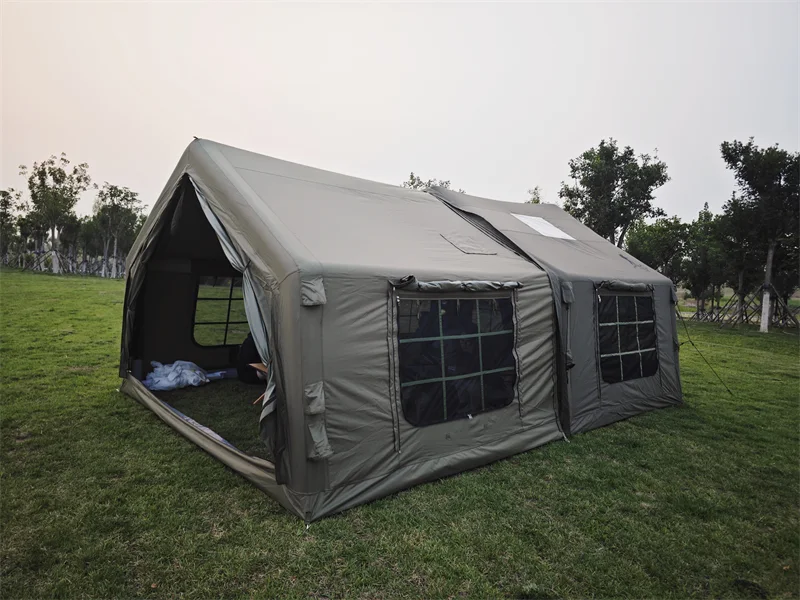
LT-09-Z / MODULAR
Add space without copying the same SKU.
9 m2 base + 9 m2 extensionDefine how the base tent and connected extension should work independently and together.
Explore this model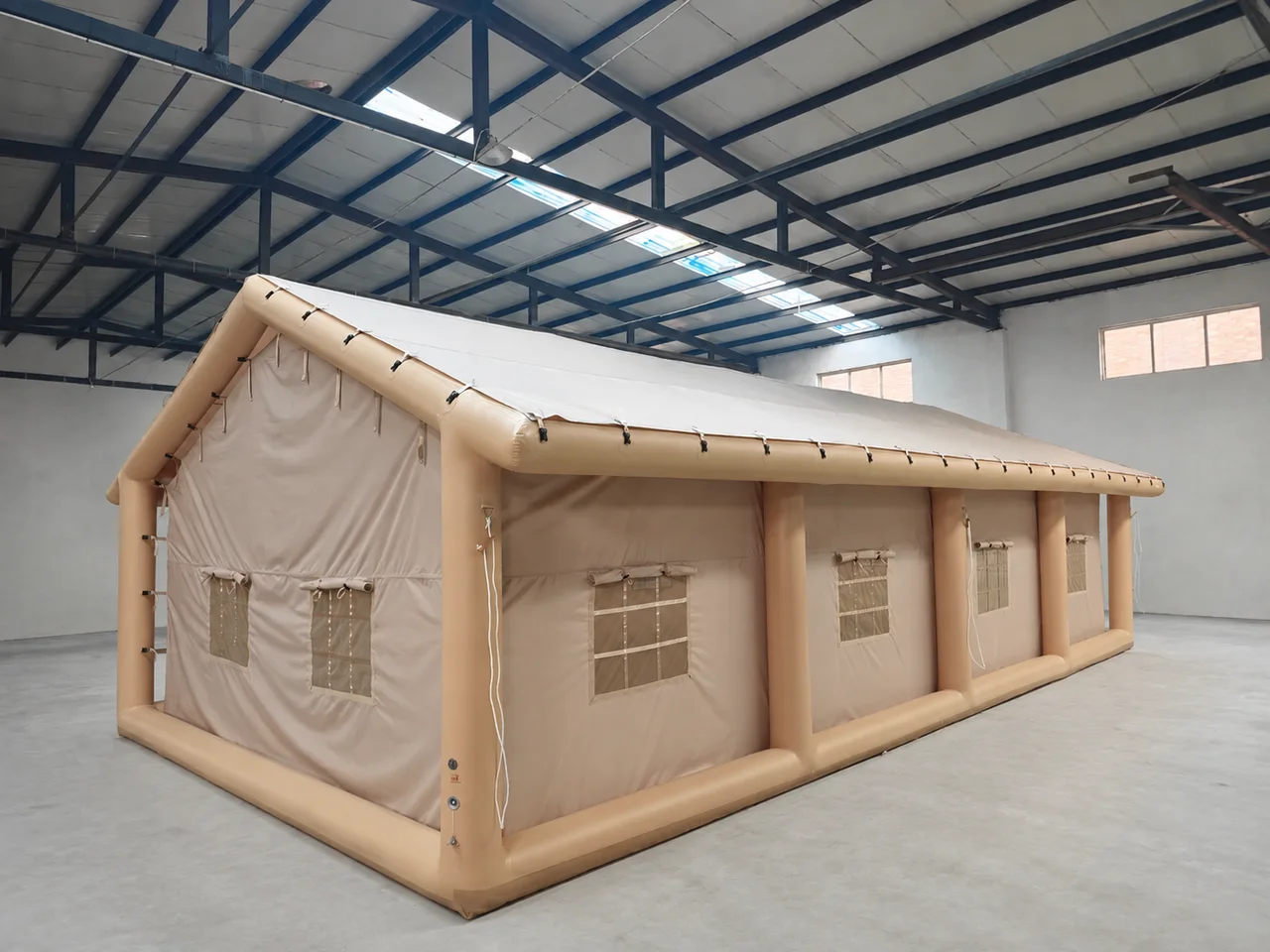
LTE SERIES / MAJLIS FORMAT
Build a regional range direction.
9 / 16 / 18 m2 produced sizesDefine the seating or sleeping plan, privacy, openings and packed set for the destination market.
Explore this modelReview how the inflatable frame and cover are made.Explore factory production
03
REAL SAMPLE DETAILS
Look beyond the exterior.
Compare openings, usable space and air-beam routing in two different current samples. Your own configuration is confirmed through its physical sample and specification.
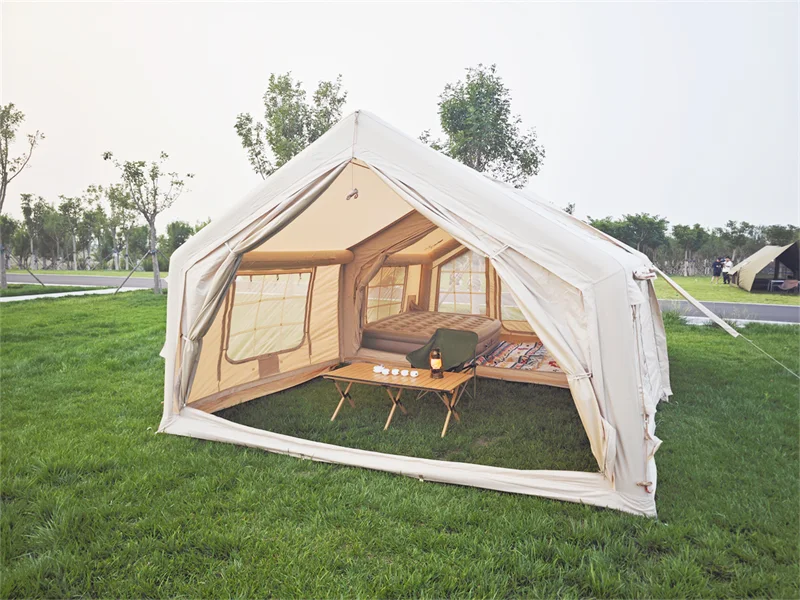
LT-09-Z / BASE TENT
Review the open entrance and interior space.
Use this view to discuss circulation, furniture clearance and how the base tent should connect to an extension.
Explore LT-09-Z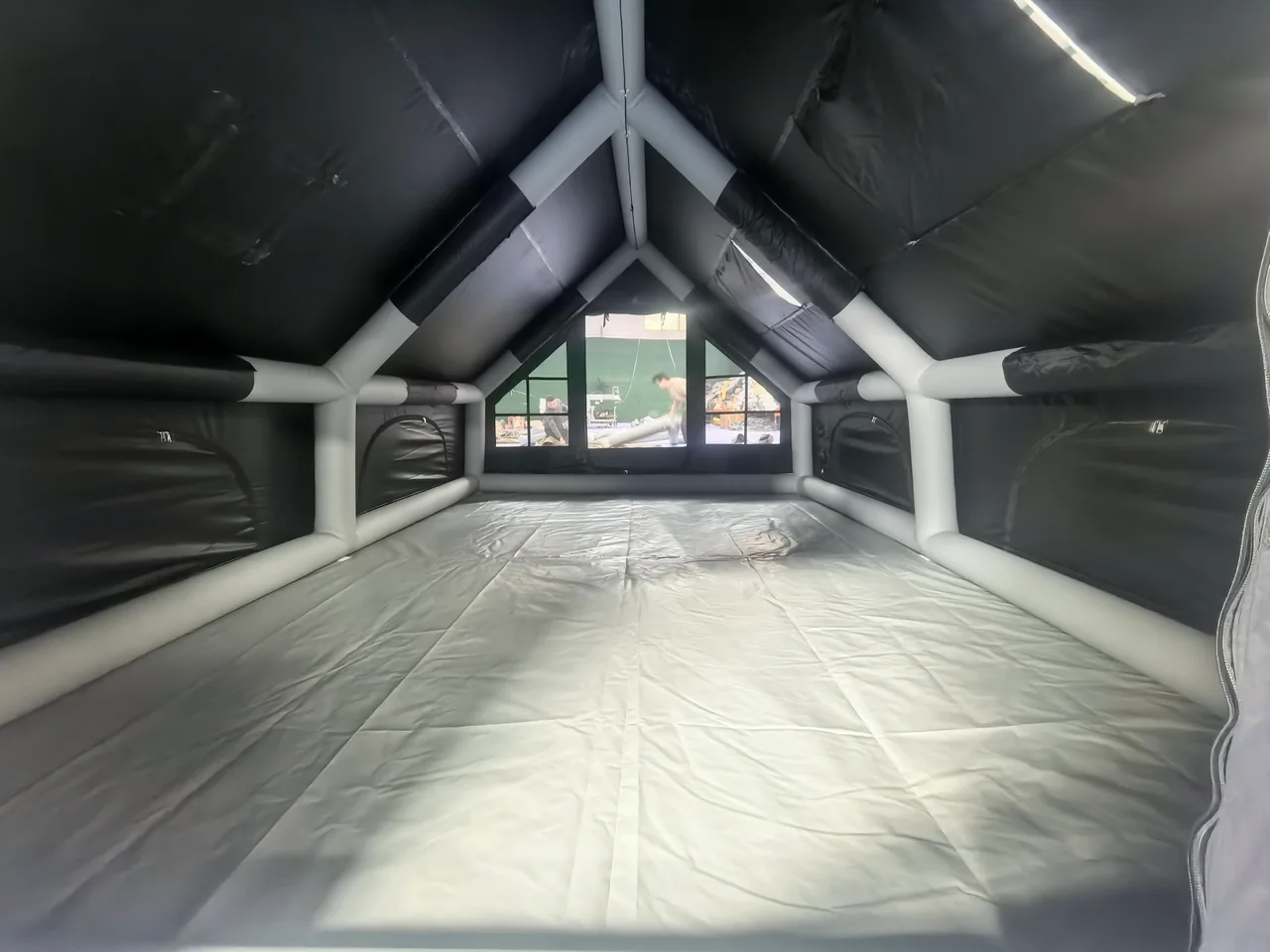
LT-12 / INTERNAL AIR FRAME
Review the air-beam layout inside the tent.
This separate LT-12 sample shows beam routing and usable floor space. Junctions and sleeves are confirmed for the selected model.
Explore LT-12See how a product brief becomes a physical sample.Explore OEM sample development
04
RANGE ARCHITECTURE
Build a range, not a pile of similar SKUs.
Give every model a clear commercial role before adding colourways or minor variations.
- 01
Entry direction
A focused model with a clear price and feature role.
- 02
Core family model
The main volume direction for space, handling and repeat sales.
- 03
Step-up model
More space, stronger visual identity or additional room planning.
- 04
Support set
Pump, anchoring, repair items, carry bag, instructions and carton.
05 / BRAND RANGE DECISION TOOL
Turn a market idea into an approvable product brief.
Send one clear decision set before sampling. ASEN can map the request to a base model, required development work and the points your team must approve.
Send Your Brand BriefDecisionWhat to sendWhat it definesWhat to approve
01Market role
Target buyer, sales channel, price position and destination market.
The job this model performs in the range.
Target user, market position and model role.
02Product form
Reference product, target size, occupancy, room plan and opening direction.
Footprint, usable space, doors, windows and zoning.
Dimension and opening plan.
03Product system
Outer, floor, mesh, clear panels, air beams, valves and accessories.
The named material and component specification.
Material samples and component schedule.
04Launch file
Quantity split, colours, branding, packaging and target date.
Sample scope, order structure and repeat-order file.
Sample, artwork, packed set and inspection points.
06 / REPEAT-ORDER SPECIFICATION
Turn the sample into a repeatable product.
Give purchasing, quality, marketing and after-sales teams one controlled definition for every order.
Send Your Product Brief- 01
Model revision
One controlled model name, date and revision for every team.
- 02
Dimensions & plan
Outer size, usable space, doors, windows, partitions and furniture clearances.
- 03
Materials
Named outer, floor, mesh, clear panels, colours and approved material samples.
- 04
Air system
Tube geometry, diameter, junctions, valves, sleeves and repair access.
- 05
Branding & packing
Artwork, labels, manual, carry bag, carton marks and accessory list.
- 06
Inspection points
The checks and acceptance criteria agreed for this exact configuration.
BEFORE YOUR INQUIRY
Questions worth asking.
What is already defined in a private-label starting model?
The linked product pages show each current model and its available specifications. LT-18.16, LT-09-Z and LTE Majlis have different dimensions and construction details, so compare each on its own terms. Your brand-specific materials, openings, packed set and artwork are confirmed through the sample and written specification.
Is private label just a logo on a standard tent?
No. The brand brief can define the model role, colours, labels, instructions and packed set, alongside requested changes to layout, materials or the air system. Each change is reviewed for the selected model and confirmed through its sample and written specification.
What should an outdoor brand include in the first brief?
Share the target user, destination market, reference model, intended changes, estimated quantity, target timing and brand or packing requirements already known.
Can ASEN start from an existing reference?
Yes. A reference can help define the direction, but the ASEN sample and written specification must confirm the final dimensions, materials, structure and sellable details.
How is a repeat order kept aligned?
Keep the approved sample, specification revision, artwork, component schedule, packaging file and inspection points together for every repeat order. Interior and air-frame photos help explain the options; the approved specification defines the version your brand buys.
01Closest current model
FROM MARKET IDEA TO A MODEL SHORTLIST
Start with the market. We will help narrow the models.
Share the destination market and closest tent type. We will identify useful starting formats and the decisions your brand still needs to make.
- Relevant starting models
- Key specification questions
- Suggested next step